How Canadian healthcare actually works: a guide for Americans (2026)
Provincial health insurance explained for Americans moving to Canada: who qualifies, waiting periods, what medicare covers and what it doesn't (dental, drugs).
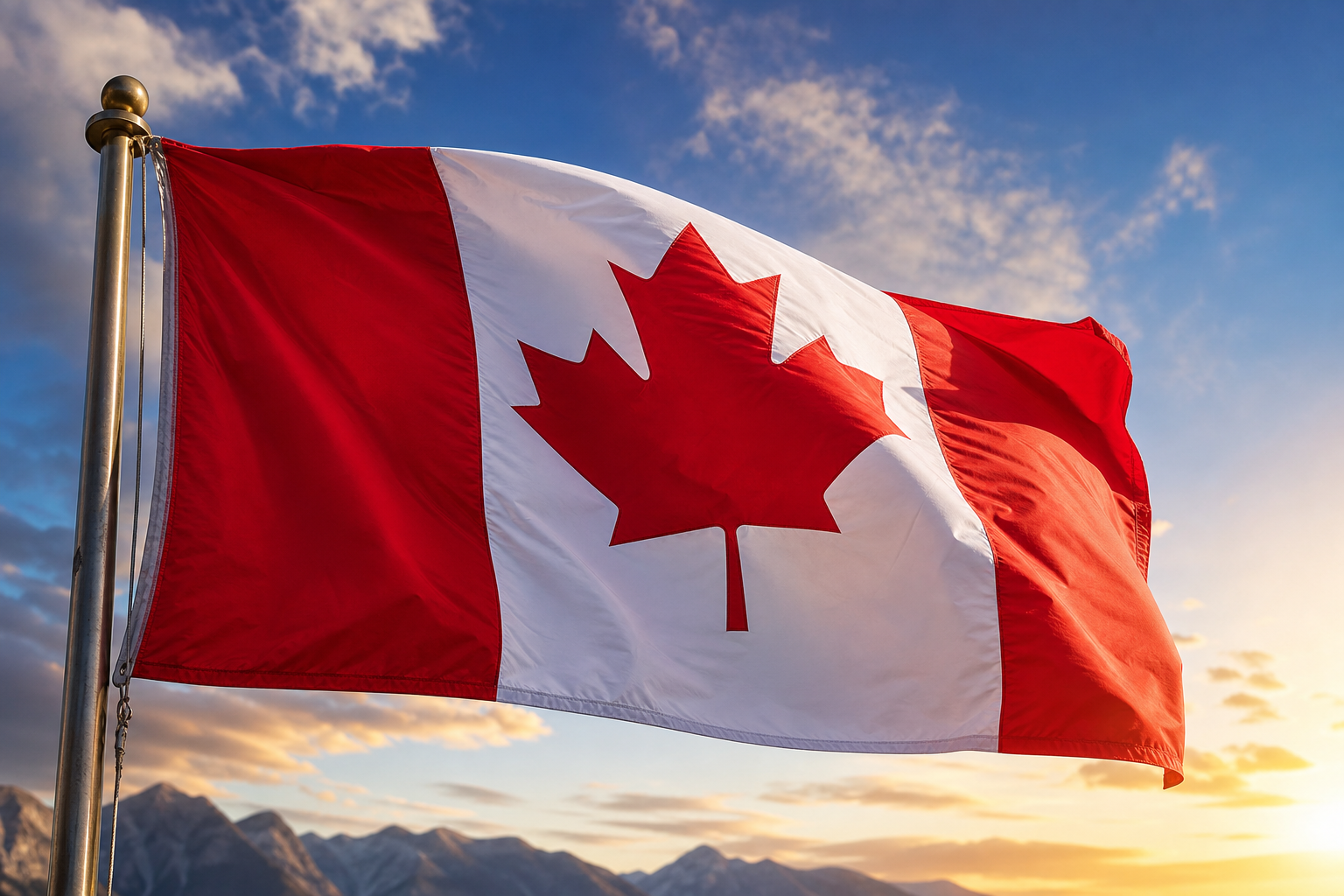
If you are moving from the US to Canada, healthcare is probably one of your biggest reasons — and one of your biggest question marks. Canadian “medicare” is very different from US insurance, in ways that are mostly good news but include real trade-offs. Here is how it actually works.
This article is general information, not legal or medical advice. Coverage rules are set by each province: always verify on canada.ca and your provincial health ministry’s site.
There is no single “Canadian health system”
Canada has 13 provincial and territorial public insurance plans, funded through taxes and coordinated by federal law (the Canada Health Act). You register with the plan of the province where you live:
- Ontario → OHIP
- British Columbia → MSP
- Quebec → RAMQ
- Alberta → AHCIP, and so on.
Once enrolled, you get a health card. You show it at the doctor’s office or hospital and, for insured services, you pay nothing at the point of care. No deductibles, no copays, no networks, no “out-of-network” surprise bills, no claim forms for standard care.
Who qualifies, and when
Eligibility is based on residence status, not citizenship:
- Permanent residents qualify in every province.
- Work permit holders qualify in most provinces if the permit meets a minimum duration (often around 6 to 12 months — check your province).
- Students are covered in some provinces (for example Alberta) but not others, where universities require private plans.
⚠️ The waiting period trap: some provinces impose a waiting period of up to about 3 months after you establish residence before coverage begins. Others enrol you faster. Plan for private travel/health insurance to bridge the gap between your arrival date and your health card — a hospital stay without coverage is billed at full price, US-style.
What medicare covers — and what it does NOT
Covered (insured services): medically necessary care — family doctor and specialist visits, emergency care, hospital stays, surgeries, diagnostics, maternity care, and drugs administered in hospital.
Not covered by the public plan in most provinces:
- Dental care (a federal dental plan has been phased in for eligible residents based on income — check current rules on canada.ca)
- Vision care (routine eye exams for adults, glasses)
- Prescription drugs outside hospital — this is the big one for Americans
- Ambulance fees (partially charged in several provinces)
- Physiotherapy, psychology, and most paramedical care in private clinics
For these, Canadians rely on employer group benefits (very common, and much cheaper than US plans) or private insurance. Quebec is special: drug insurance is mandatory — you must join either your employer’s plan or RAMQ’s public drug plan.
The honest trade-offs vs. the US
Where Canada wins: no risk of medical bankruptcy, no coverage tied to your job, no pre-existing condition games, pregnancy and cancer care without a bill.
Where you will feel friction:
- Finding a family doctor can take time in many regions; walk-in clinics and telehealth fill the gap.
- Non-urgent specialist visits and elective surgeries can involve waits of weeks to months. Urgent and emergency care is prioritized and fast.
- ER waits for non-urgent issues can be long — triage is strict.
Many American healthcare professionals are also discovering the other side of the counter: Canada is actively recruiting US doctors and nurses (Express Entry even has a category for health occupations — see how CRS scoring works).
Your first-90-days checklist
- Before leaving the US: arrange private insurance covering your first months in Canada — and review the rest of your prep in our US-to-Canada moving checklist.
- Week 1: gather documents (passport, immigration document, proof of address) and apply for your provincial health card immediately — waiting periods run from your arrival/residence date, not your application date.
- Register on your province’s family-doctor waiting list right away, and locate the nearest walk-in clinic.
- If your employer offers group benefits, enrol during your onboarding window — it covers the dental/drugs/vision gap.
- In Quebec, sort out your mandatory drug insurance as soon as you have RAMQ.
Information, not legal advice. Verify every rule on canada.ca and your provincial health ministry’s website.
Frequently asked questions
Is healthcare free in Canada?
The provincial public plan covers medically necessary care with no bill at the point of service, funded by taxes. But dental, vision and out-of-hospital medication are generally not covered.
Am I covered as soon as I arrive in Canada?
Not always. Some provinces impose a waiting period of up to about 3 months. Plan temporary private insurance to cover that period.
Are prescription drugs covered?
Outside hospital, often not by the public plan. Canadians rely on employer group or private insurance. Quebec requires drug insurance.
Join our Telegram channel
Get the latest Canada immigration news, Express Entry draws and official updates — free, straight to your phone.
Free · No spam · Leave anytime
Official sources
Informational content, not legal advice. Always verify information on canada.ca (IRCC). Independent site, not affiliated with the Government of Canada.